
Odor
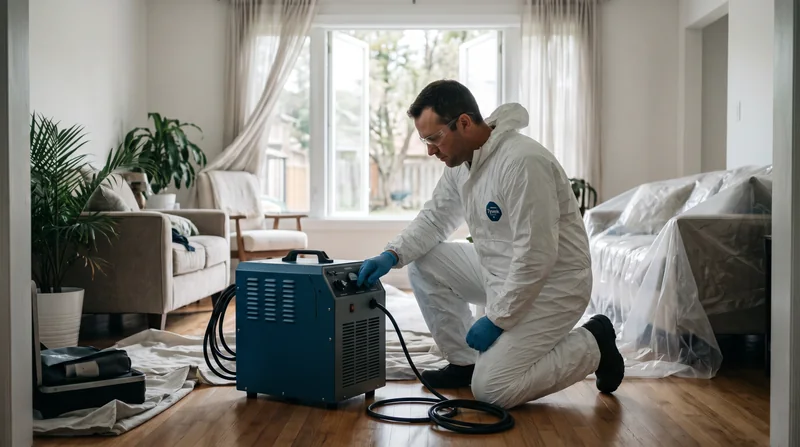
Understanding Odor Removal Following Property Contamination
Why odors linger and what professional treatment actually targets.
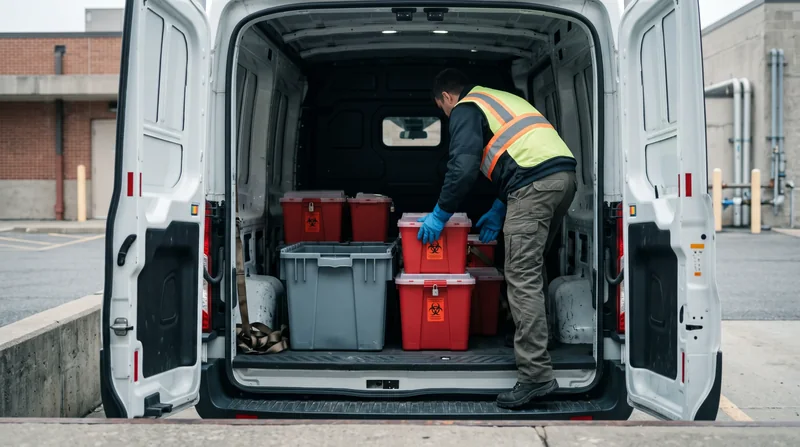
Why contaminated materials cannot go in the trash, and what responsible disposal looks like.
Cleanup does not end when the surfaces are clean. The waste has to go somewhere, and that is where regulation comes in. This is an overview for property owners, not legal advice.
Terms vary by jurisdiction, but regulated medical or infectious waste generally includes items saturated with blood or other potentially infectious materials, contaminated sharps and certain biological materials. Contaminated carpet, bedding and similar materials may qualify depending on the situation and the rules that apply.
Ordinary trash handlers are not equipped or trained to deal with infectious materials. Improper disposal can expose waste workers and the public, and may violate regulations. Never place contaminated items in household trash, recycling or donation bins.
For needles or other sharps in a household, check local guidance. Many health departments and pharmacies publish safe disposal instructions. Never attempt to recap or handle needles with bare hands.
As a property owner, you should not have to manage disposal yourself. A qualified provider should handle it and be willing to explain how. If a provider is vague about disposal, consider that a red flag.
For related reading, visit our hazardous waste cleanup page, which explains why not every provider offers that service.
Please note. This article is general information, not medical, legal or safety advice. Youngstown Biohazard Cleanup is an independent referral service, and cleanup is performed by independent providers.
Why odors linger and what professional treatment actually targets.

A practical checklist for landlords, HOAs and property managers handling a biohazard incident.

A privacy-minded guide to arranging cleanup in Youngstown and nearby communities.
Contact us to discuss your situation and connect with an appropriate professional service provider.