Safety
Important Safety Considerations After a Property Contamination Incident
Practical steps to protect people while you arrange professional help.
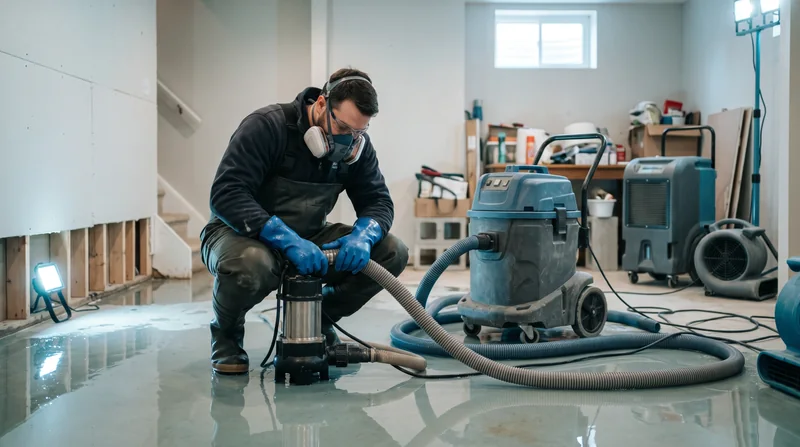
Sewage in a home is a health hazard from the moment it appears. It carries bacteria, viruses and parasites, and it soaks into materials faster than most people realize.
Water damage is categorized by how contaminated the source is. Clean-water leaks are one thing. Sewage backups and floodwater that has touched sewage or ground contaminants are considered heavily contaminated, because the water may carry disease-causing organisms. Materials that absorb it, such as carpet, padding, drywall and insulation, usually cannot be reliably decontaminated and are often removed.
Mold can begin to grow on damp materials within a few days, so it is wise to call a provider promptly. But do not take risks to save time.
Many standard homeowners policies exclude sewer backups unless a specific endorsement was added. Check your policy and contact your insurer early. A provider can explain what documentation they supply.
Yes. Sewage can contain pathogens, so cleanup should be done with proper protection and disinfection rather than household methods.
Carpet and padding that have been soaked by sewage are usually removed. Hard surfaces may be cleaned and disinfected. A provider can assess your materials.
Mold is a risk whenever materials stay damp. Drying promptly and thoroughly reduces it. If you suspect mold, mention it when you speak with a provider.
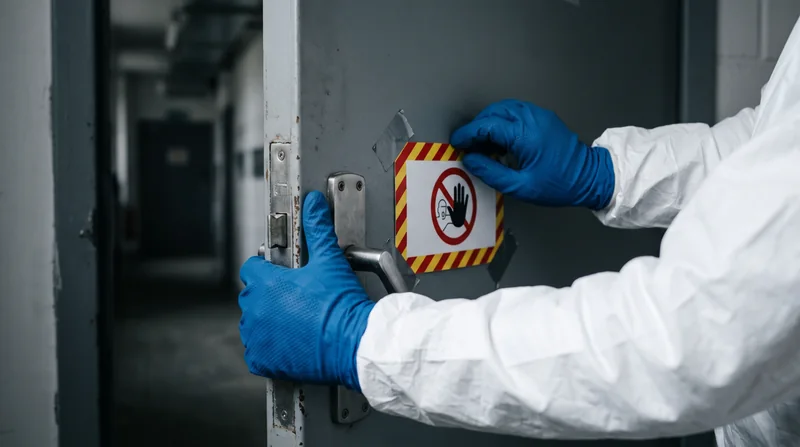
Practical steps to protect people while you arrange professional help.
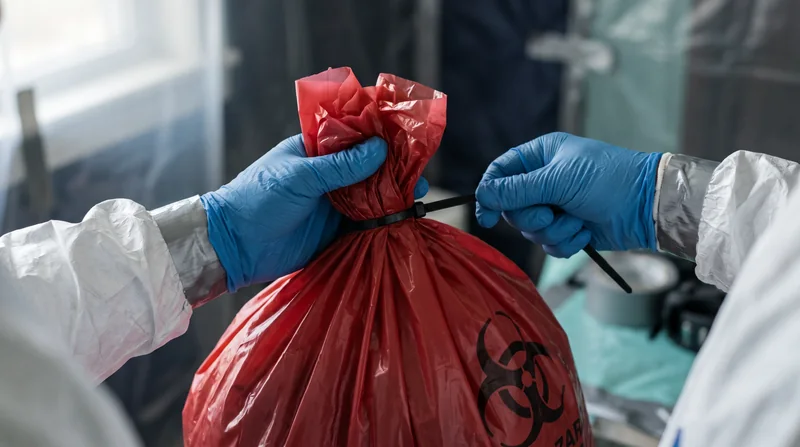
The stages of a professional remediation project, from first assessment to final review.
About this service. Youngstown Biohazard Cleanup is an independent referral service. We connect you with independent providers; they perform the work and set their own availability, qualifications and terms. Availability depends on location and provider capacity.
Contact us to discuss your situation and connect with an appropriate professional service provider.