Regulations
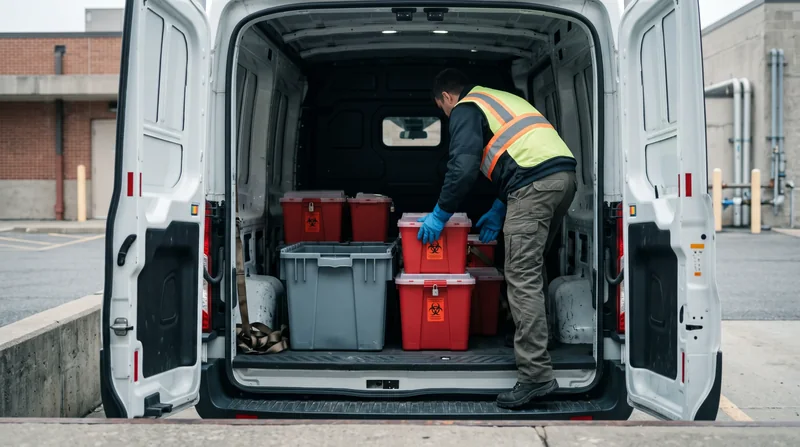
What Property Owners Should Know About Biohazard Waste Disposal
Why contaminated materials cannot go in the trash, and what responsible disposal looks like.
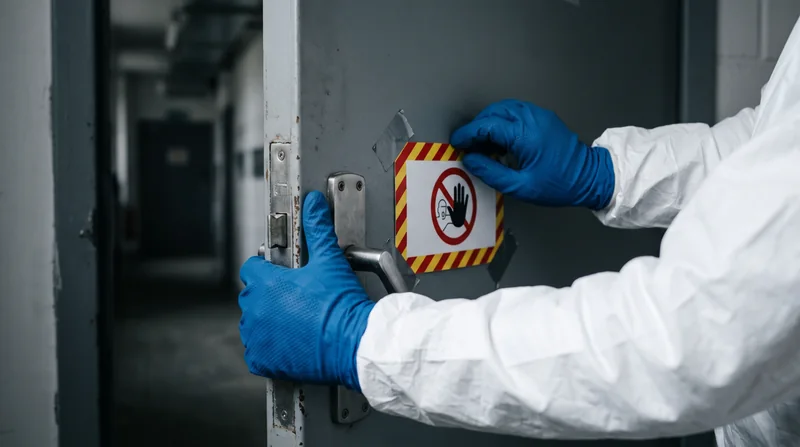
Practical steps to protect people while you arrange professional help.
After an incident that leaves a property contaminated, the first instinct is often to start cleaning. Resist it. The safest steps are usually the simplest.
If anyone is injured, in danger or showing symptoms, get medical help. Call 911 in an emergency. If you suspect chemical exposure or poisoning, call Poison Control at 1-800-222-1222.
If law enforcement, insurers or landlords are involved, avoid discarding items that may be needed. Take photographs of the affected area from the doorway if you can. Keep notes of names, dates and conversations.
Opening a window can help in some situations, but it is not appropriate when it could spread contamination, such as in a shared building, or when outdoor air quality is poor. If you are unsure, ask a provider or your local health department.
If you have had contact with potentially contaminated material, wash skin thoroughly with soap and water and contact a healthcare provider for advice. We cannot provide medical advice.
Choose a provider who can explain how they will contain and clean the area and how they will handle waste. Tell them about the property, the access conditions and any pets or occupants. Our biohazard cleanup page explains how to request assistance.
Please note. This article is general information, not medical, legal or safety advice. Youngstown Biohazard Cleanup is an independent referral service, and cleanup is performed by independent providers.
Why contaminated materials cannot go in the trash, and what responsible disposal looks like.
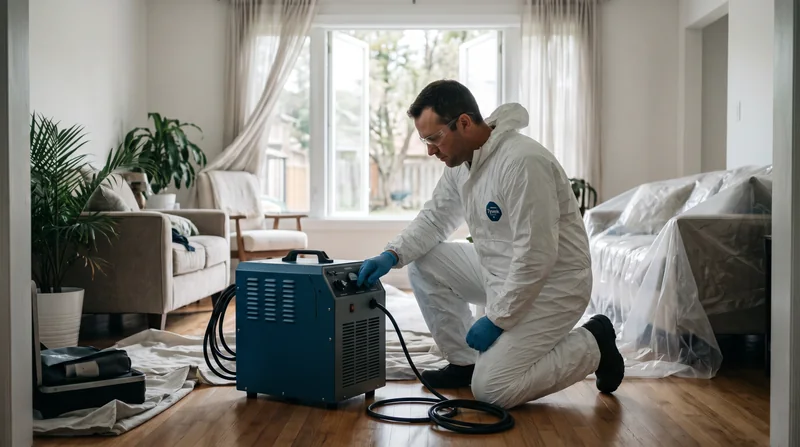
Why odors linger and what professional treatment actually targets.
A practical checklist for landlords, HOAs and property managers handling a biohazard incident.
Contact us to discuss your situation and connect with an appropriate professional service provider.