
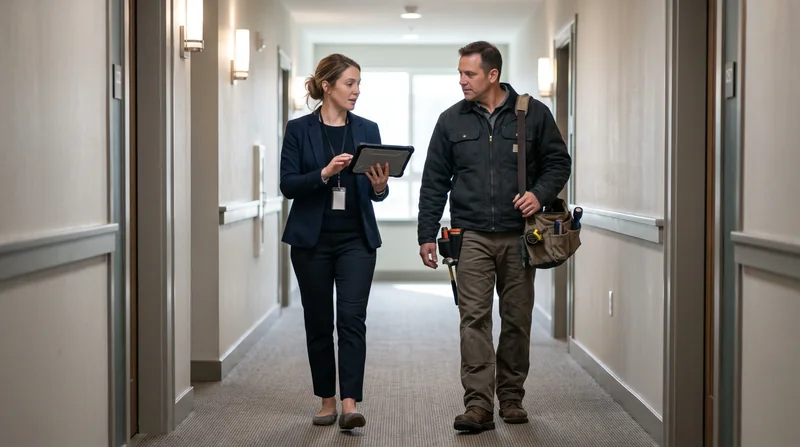
Property managers
Biohazard Cleanup Questions Property Managers Should Ask
A practical checklist for landlords, HOAs and property managers handling a biohazard incident.
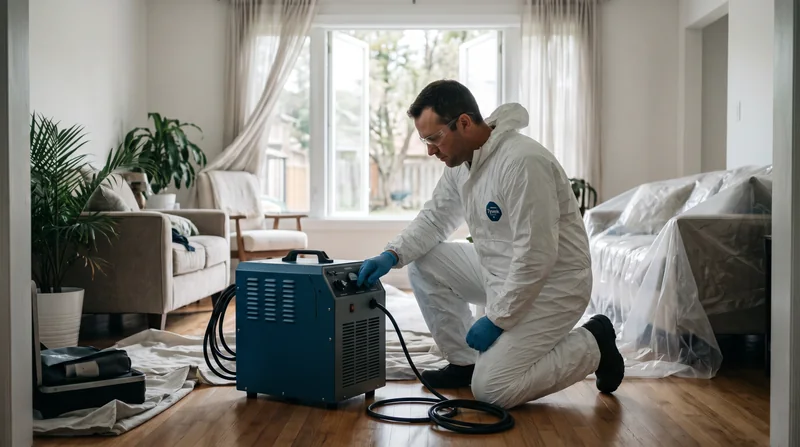
Why odors linger and what professional treatment actually targets.
A persistent odor after an incident is a sign that something is still in the building. Understanding why can help you ask the right questions.
Odor-causing compounds soak into porous materials such as carpet, padding, drywall, wood and insulation. They can also travel through ductwork and wall cavities. Sprays and candles cover the smell for a short time, but the source remains and will reassert itself, especially on warm, humid days.
They look for the origin, including hidden areas such as subfloors, wall cavities and HVAC systems.
Soaked porous materials are removed.
Residues left behind on hard surfaces are cleaned off.
Depending on conditions, providers use HEPA air scrubbers, hydroxyl generators, thermal fogging or other tools. Each has pros and cons, and the right choice depends on the odor and whether the space is occupied.
Sealants may be used on framing or subfloor, and the space is checked after treatment.
Ozone generators are sometimes marketed for odor removal. The EPA warns that ozone can irritate the lungs and should not be used in occupied spaces. If a provider uses ozone, ask how they keep the space safe and ventilate afterward.
Severely affected properties may need multiple treatments. Be cautious about any promise of a specific result before the property has been seen.
Learn about odor removal and decontamination referrals.
Please note. This article is general information, not medical, legal or safety advice. Youngstown Biohazard Cleanup is an independent referral service, and cleanup is performed by independent providers.
A practical checklist for landlords, HOAs and property managers handling a biohazard incident.
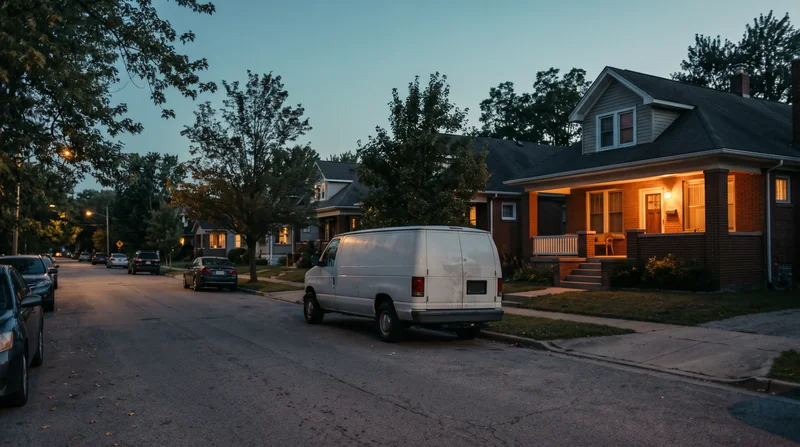
A privacy-minded guide to arranging cleanup in Youngstown and nearby communities.
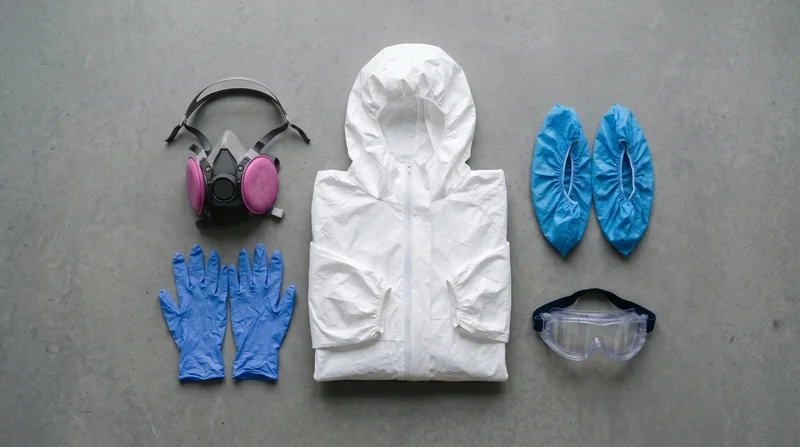
A plain-language overview of what biohazard cleanup covers, and why some messes should never be handled with household supplies.
Contact us to discuss your situation and connect with an appropriate professional service provider.