Crime scene
What to Expect During a Professional Crime Scene Cleanup
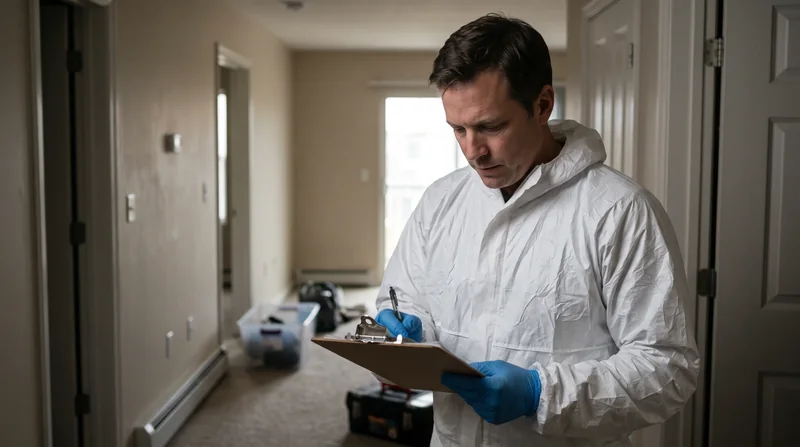
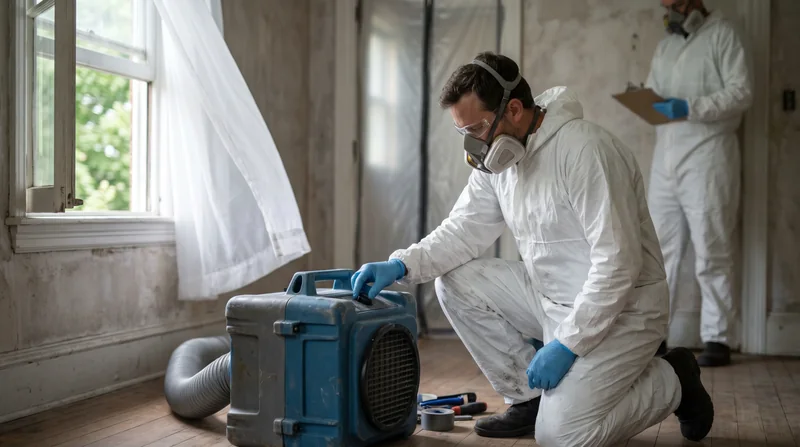
From release of the scene to the final walkthrough, here is how professional crime scene cleanup usually unfolds.
A plain-language overview of what biohazard cleanup covers, and why some messes should never be handled with household supplies.
Most people never think about biohazard cleanup until they need it. Then they want a straight answer: what is it, and do I really need a professional? This guide explains both.
A biohazard is a biological material that can harm human health. In a property, that most often means blood, bodily fluids, tissue, and materials soaked by them. It can also include sharps such as needles, sewage, mold-contaminated materials and, in some cases, animal waste. Federal worker-safety rules use the term "other potentially infectious materials" for many of these.
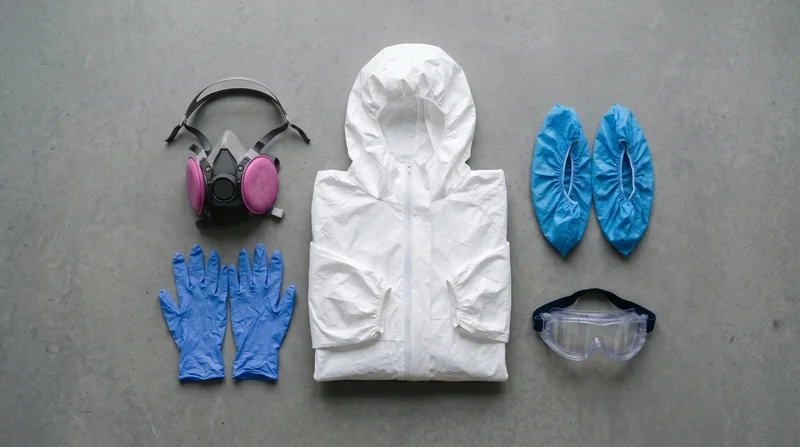
Biohazard cleanup, also called biohazard remediation, is the safe removal, cleaning and disinfection of these materials. A qualified provider typically:
Bloodborne pathogens such as hepatitis B, hepatitis C and HIV are the reason OSHA's bloodborne pathogens standard exists. Household cleaning does not include protective equipment, training or regulated waste handling, and it can leave contamination behind in porous materials. Scrubbing can also spread contamination or create airborne particles.
A very small, isolated spill on a hard surface in your own home, such as a minor cut, is usually handled with basic precautions. Public health agencies like the CDC publish guidance for household cleaning. The decision depends on the amount, the material and whether anyone's health is at risk. When in doubt, treat the situation as needing professional help.
If you think you need help, note the address, the type of property and a general description of what is needed. You do not need to describe what happened in detail. (330) 555-0100 reaches our referral line, or you can request a service online. We will connect your inquiry with an independent provider that serves your area, subject to their availability.
Please note. This article is general information, not medical, legal or safety advice. Youngstown Biohazard Cleanup is an independent referral service, and cleanup is performed by independent providers.
From release of the scene to the final walkthrough, here is how professional crime scene cleanup usually unfolds.
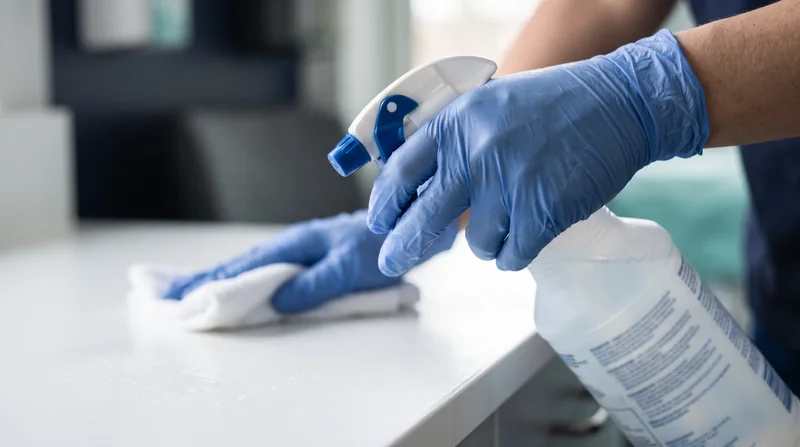
Blood seeps, spreads and can carry pathogens. Here is why professional methods matter.
A gentle explanation of what unattended death cleanup is and how it helps families.
Contact us to discuss your situation and connect with an appropriate professional service provider.