Odor
Understanding Odor Removal Following Property Contamination
Why odors linger and what professional treatment actually targets.
Decomposition affects a property in ways that are hard to see and impossible to ignore. Removing the source, treating the space and clearing the odor are all part of getting the property back.
When a body, human or animal, decomposes in a building, fluids can seep into flooring and subfloor, odor gets into drywall, insulation and fabric, and insects such as flies and larvae may appear. Temperature and ventilation change how far and how widely this spreads. In many cases, the damage is deeper than it looks.
The first priority is removing the source and any materials soaked by it. This may include mattresses, carpet, padding, and sometimes sections of subfloor or drywall.
Surfaces are treated with products suited to biological contamination. Hard surfaces are cleaned. Porous materials that cannot be reliably treated are removed.
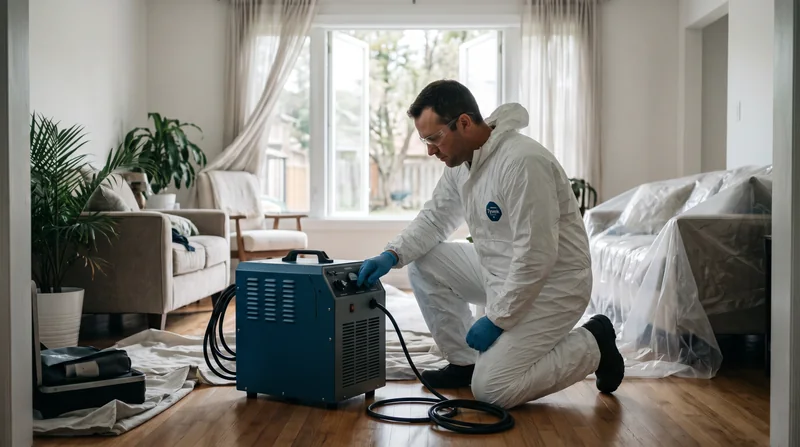
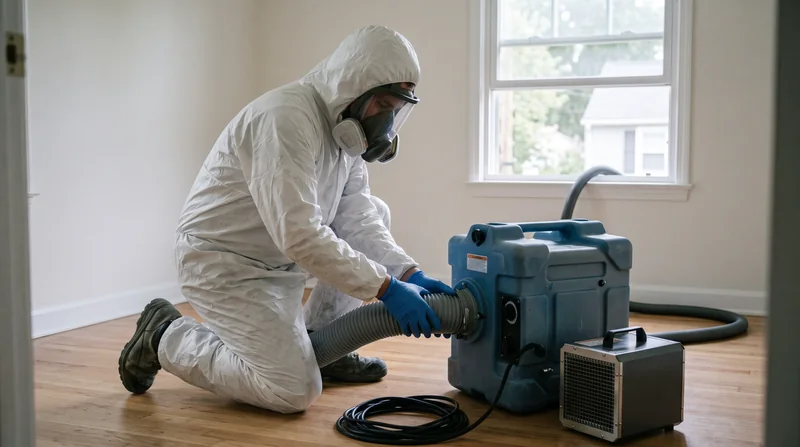
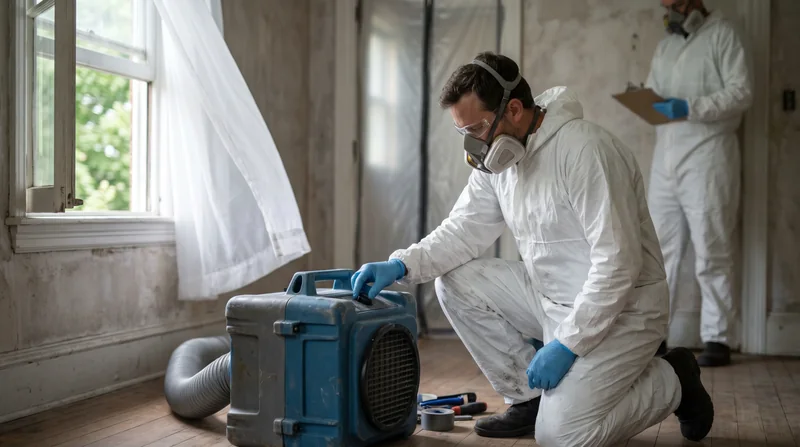
Odor is a physical presence, not merely a smell. Providers use methods such as air scrubbers, hydroxyl generators or other deodorization equipment and may also treat sealing surfaces so odor does not persist. Ask providers what they use and why.
Where flies, larvae or other pests are present, providers may address that as part of the process or recommend a pest-control specialist.
Decomposition releases compounds that can irritate the respiratory system, and fluids may contain pathogens. Fans and fresheners rarely solve the problem and can spread it.
If the property shares ventilation or walls with other units, tell the provider. They can plan to prevent odor migration.
If the decomposition involves a human death and authorities have not yet been notified, call 911. Cleanup should wait until the property has been released.
Often yes, when the source and soaked materials are removed and the space is properly treated. Results depend on how far the contamination has spread.
This is common in older buildings. A wildlife or pest professional may need to locate and remove the animal, and a cleanup provider can then address residue and odor. Mention it when you make an inquiry.
Ask your provider how they verify results, such as inspecting the treated area and rechecking after treatment.
Why odors linger and what professional treatment actually targets.
A gentle explanation of what unattended death cleanup is and how it helps families.
About this service. Youngstown Biohazard Cleanup is an independent referral service. We connect you with independent providers; they perform the work and set their own availability, qualifications and terms. Availability depends on location and provider capacity.
Contact us to discuss your situation and connect with an appropriate professional service provider.