
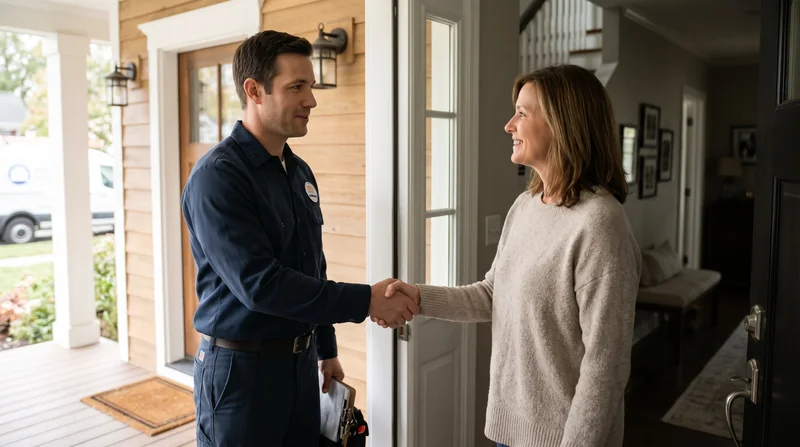
Choosing a provider
How to Choose a Qualified Biohazard Cleanup Company
A practical checklist of questions to ask and red flags to watch for.
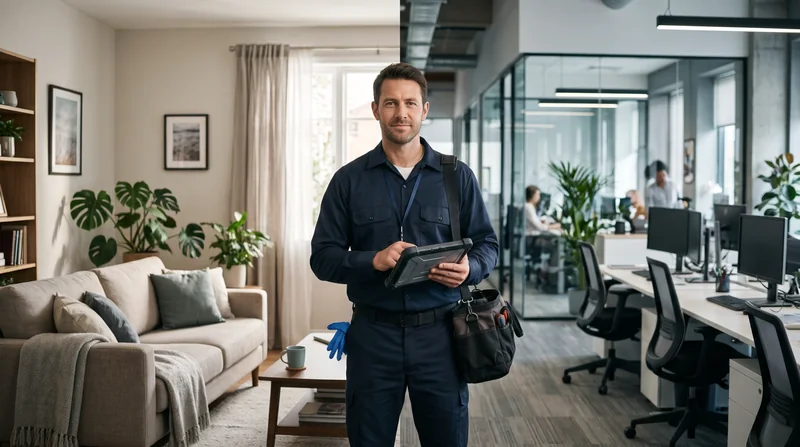
Homes and businesses call for different approaches. Here is what changes.
The contaminants may be the same, but the context is not. A home and a business involve different people, rules and priorities, and a good provider adjusts accordingly.
In a home, the people affected are usually family members, neighbors or tenants, and emotions run high. In a business, the affected parties include employees, customers, vendors, landlords and insurers. Communication and documentation tend to matter more in commercial settings.
Residential clients often ask about discretion: unmarked vehicles, how neighbors will be informed and how personal belongings are handled. Commercial clients care about reputation too, but also about how staff and customers are told, and whether operations can continue.
Homes may be vacant or occupied by family members who are grieving. Businesses often need work scheduled after hours, in phases, or around operating times. Ask providers how they isolate work areas so the rest of the property can remain in use.
Commercial customers often need records for insurers, regulators and internal reporting. Residential customers need them for insurance claims and estates. Ask each provider what they supply.
Employers have responsibilities under OSHA rules related to workplace exposure. Where employees may come into contact with blood or other potentially infectious materials, an exposure control plan and training may be required. Untrained staff should not clean up biological contamination. Homeowners generally are not subject to the same rules, but the health risks are the same.
Commercial properties can involve multiple rooms, floors or units, larger waste volumes and building systems such as HVAC and plumbing. Residential jobs may be smaller but involve belongings with emotional weight.
| Factor | Residential | Commercial |
|---|---|---|
| Typical scenes | Death, injury, hoarding, basement sewage | Workplace injury, restroom contamination, sewage in retail or food service |
| Key concerns | Privacy, belongings, family | Operations, documentation, liability |
| Scheduling | Often flexible around the family | Often after hours or phased |
| Who approves | Owner, tenant, family or representative | Owner, manager or authorized agent |
For details, see our pages on residential biohazard cleanup and commercial biohazard cleanup.
Please note. This article is general information, not medical, legal or safety advice. Youngstown Biohazard Cleanup is an independent referral service, and cleanup is performed by independent providers.
A practical checklist of questions to ask and red flags to watch for.
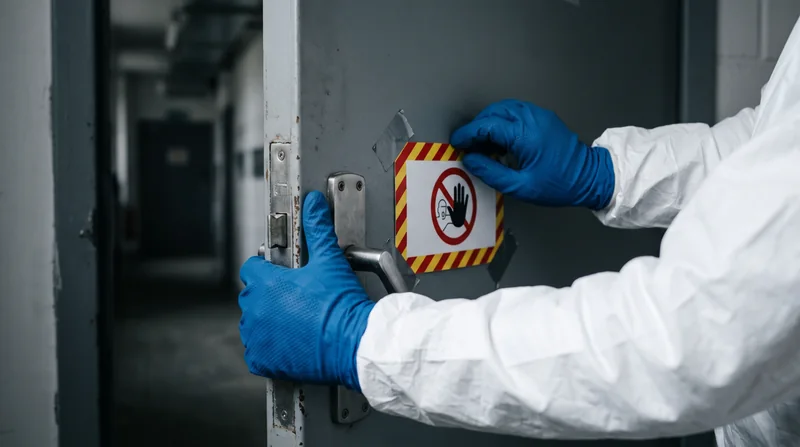
Practical steps to protect people while you arrange professional help.
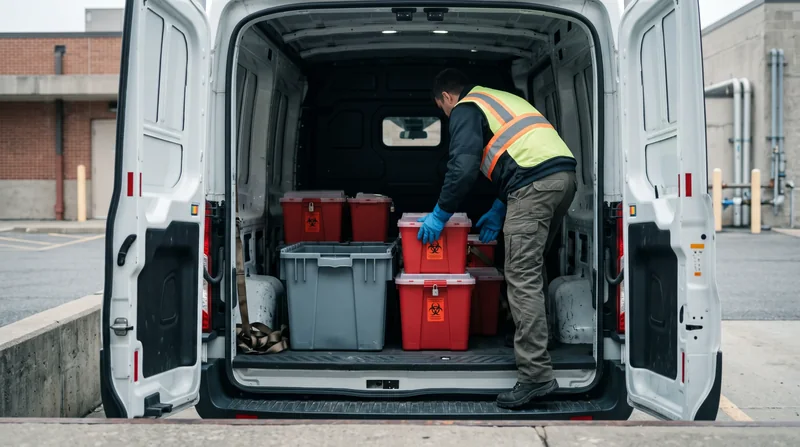
Why contaminated materials cannot go in the trash, and what responsible disposal looks like.
Contact us to discuss your situation and connect with an appropriate professional service provider.